
How we evaluated
Our methodology covers five areas, based on aggregated data from independent research, long-term user reports, and publicly available accuracy studies.
Accuracy. Accuracy assessments draw on published independent studies comparing consumer sleep trackers to clinical polysomnography standards. Where multiple studies exist for a device, we weight results by recency and methodology quality. We note where a device’s accuracy claims rely solely on manufacturer-commissioned research rather than independent replication.
Wearability. Comfort and consistency of wear are assessed from long-term user reports, independent reviewer assessments across multiple body types and skin sensitivities, and manufacturer-published sizing documentation. A tracker you remove after two weeks is worthless regardless of its spec sheet.
App depth and usability. We evaluate the daily app experience, the quality of insights generated, the clarity of trend data over time, and — for each device — the data privacy practices in effect at time of publication. An excellent sensor array undermined by a poor app is not a recommendation.
Battery life. Battery assessments are drawn from independently published real-world tests under typical use conditions: sleep tracking every night, passive heart rate monitoring, and moderate daily activity. Manufacturer-claimed figures are noted where they diverge significantly from independent findings.
Value. Value considers device cost, any ongoing subscription costs, and what that total spend delivers relative to alternatives at the same price. A high price is not a flaw if the product earns it; a low price is not a virtue if the data is unreliable.
How to choose
The right sleep tracker depends almost entirely on what question you are trying to answer.
If you want the most accurate data regardless of cost
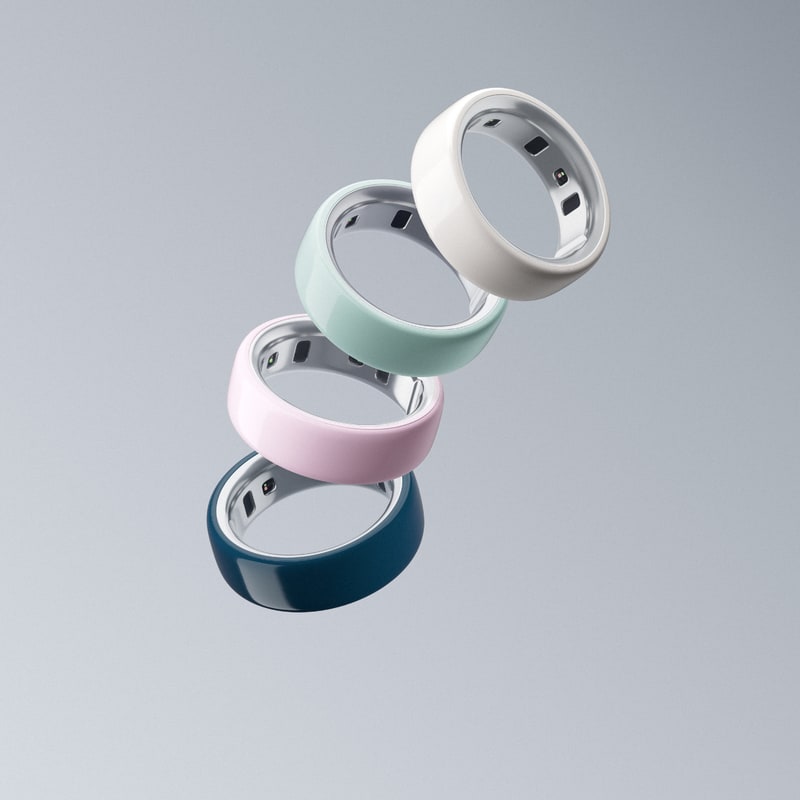
Buy the Oura Ring Gen 3. Accept the subscription. The ring’s sensor position and algorithm quality give it a genuine edge in HRV accuracy that wrist-based devices cannot match, and its sleep staging is the most reliable in the consumer category. If accuracy is the priority, this is not a close contest.
If you train seriously and want to know how to perform tomorrow
The Whoop 4.0 is built for this. Its strain and recovery coaching is more sophisticated than any other device here, and continuous HRV monitoring gives it a richer data picture than nightly-only competitors. The cost is real — factor £24+ per month into your budget before committing. But if you race, compete, or follow structured training blocks, the daily recovery guidance pays for itself in fewer overtraining incidents.
If you want good data without a subscription
The Garmin Vívosmart 5 is the answer. No monthly fee, no feature gating, battery that outlasts weekends away. The data is not as granular as Oura or Whoop, but it is accurate enough to be genuinely useful. If you are already in the Garmin ecosystem, the Vívosmart 5 slots in seamlessly.
If you are on a budget or trying sleep tracking for the first time
Start with the Fitbit Inspire 3 at around £80. It will tell you something meaningful about your sleep patterns without a large financial commitment. If you find the data useful and want more depth, you can upgrade from an informed position rather than guessing upfront. Note that core sleep data is free, but the best trend analysis sits behind Fitbit Premium.
One thing worth knowing before you buy any of them
Sleep trackers measure sleep. They do not improve it. Consistently useful data requires consistent wear, and consistent wear requires a device comfortable enough that you forget you have it on. Prioritise comfort alongside features — a tracker you remove after three weeks because the strap irritates you produces no value at all.